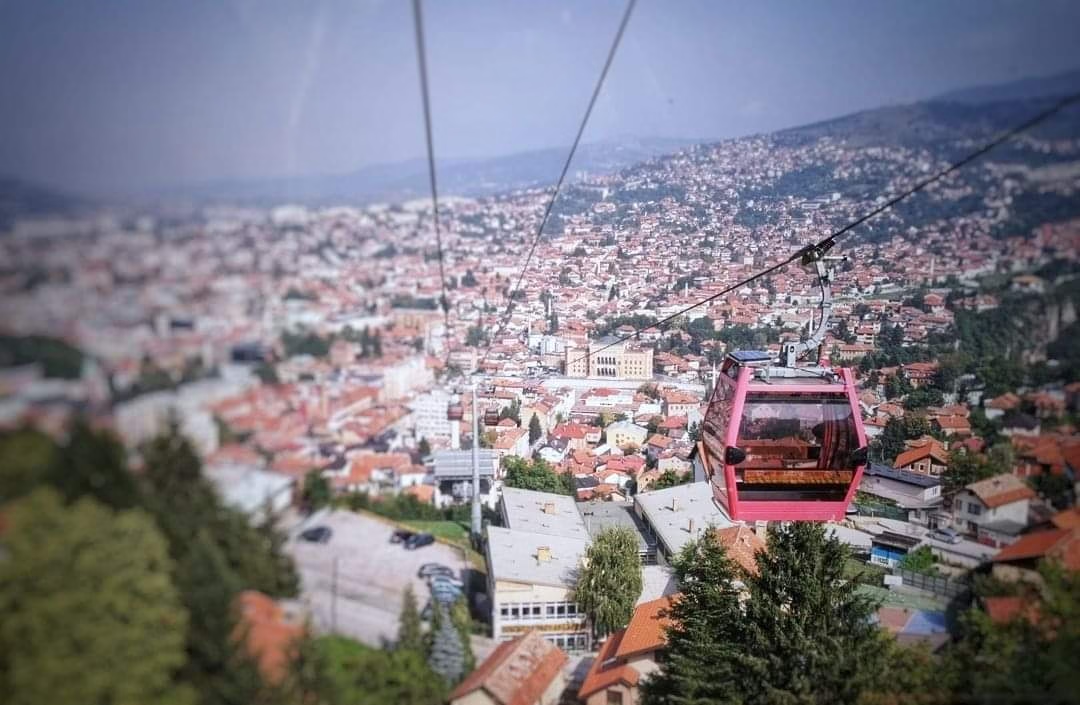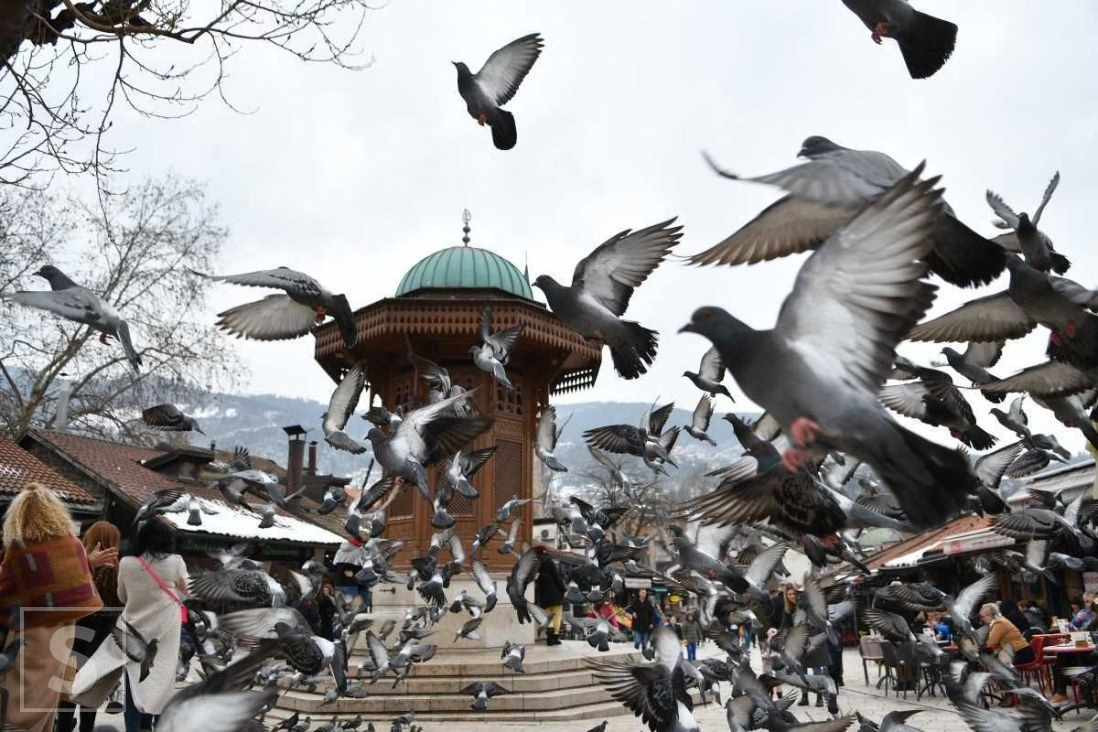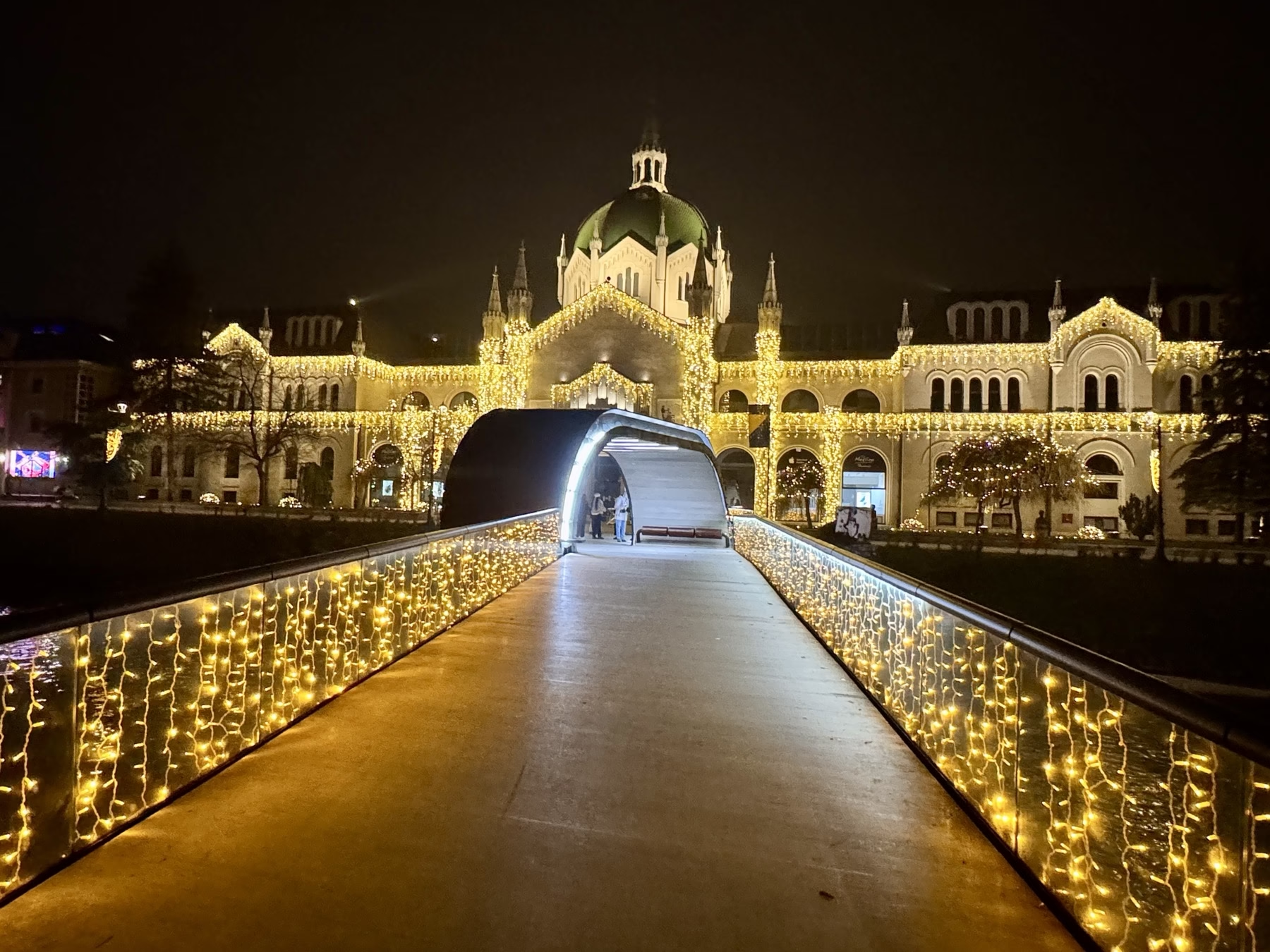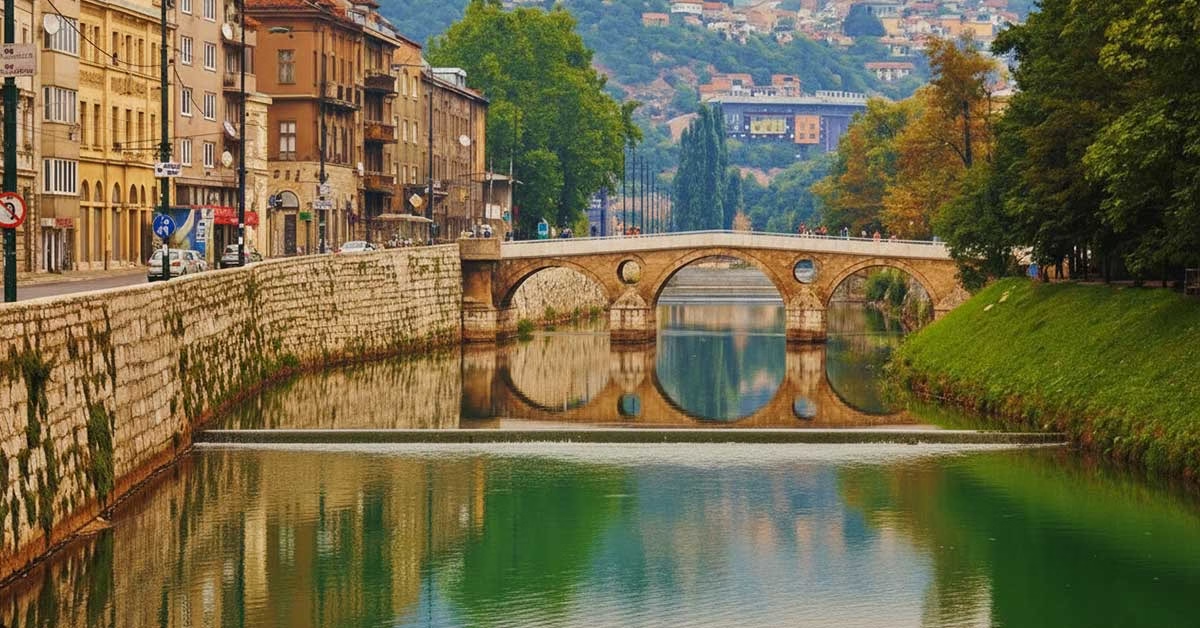
Sarajevo is the capital and largest city of Bosnia and Herzegovina. It lies in the Sarajevo valley, surrounded by the Dinaric Alps and crossed by the Miljacka River.
The area around Sarajevo has been inhabited since prehistoric times. One of the most important archaeological sites is Butmir, a Neolithic settlement known for its distinctive artifacts, many of which are preserved in the National Museum of Bosnia and Herzegovina. During the Roman period, nearby Ilidža was known as Aquae Sulphurae, a settlement famous for its thermal springs. In the medieval period, the area was associated with Vrhbosna, a settlement within the medieval Bosnian state.
The modern city of Sarajevo was founded during the Ottoman period in the mid-15th century, most notably through the urban development initiated by Isa-beg Ishaković, the first Ottoman governor of Bosnia. The city developed around administrative and commercial centers, including the governor’s residence (saray), from which the name Sarajevo is derived.
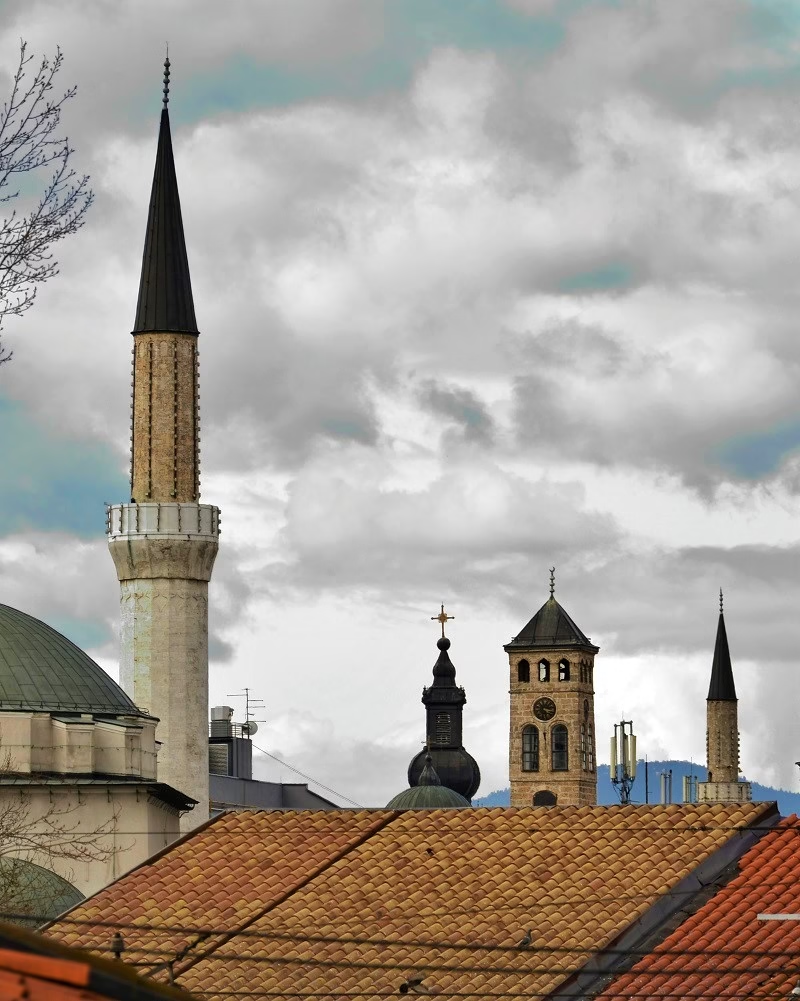
Sarajevo became one of the most important cities in the Balkans during the Ottoman era and remains known for its unique multicultural heritage. It is one of the few European cities where a mosque, Catholic church, Orthodox church, and synagogue stand within close proximity, reflecting centuries of coexistence among different religious communities.
The city has attracted international attention several times throughout its history. In 1885, Sarajevo introduced one of the earliest electric tram systems in Europe. In 1914, the assassination of Archduke Franz Ferdinand in Sarajevo triggered events that led to the outbreak of World War I. After World War II, Sarajevo became the capital of the Socialist Republic of Bosnia and Herzegovina within Yugoslavia and experienced rapid urban development, culminating in the successful hosting of the 1984 Winter Olympic Games.
In the period 1992–1995, Sarajevo endured the longest siege of a capital city in modern warfare. Today, Sarajevo is recognized as a vibrant cultural and historical center that bridges East and West, tradition and modernity.