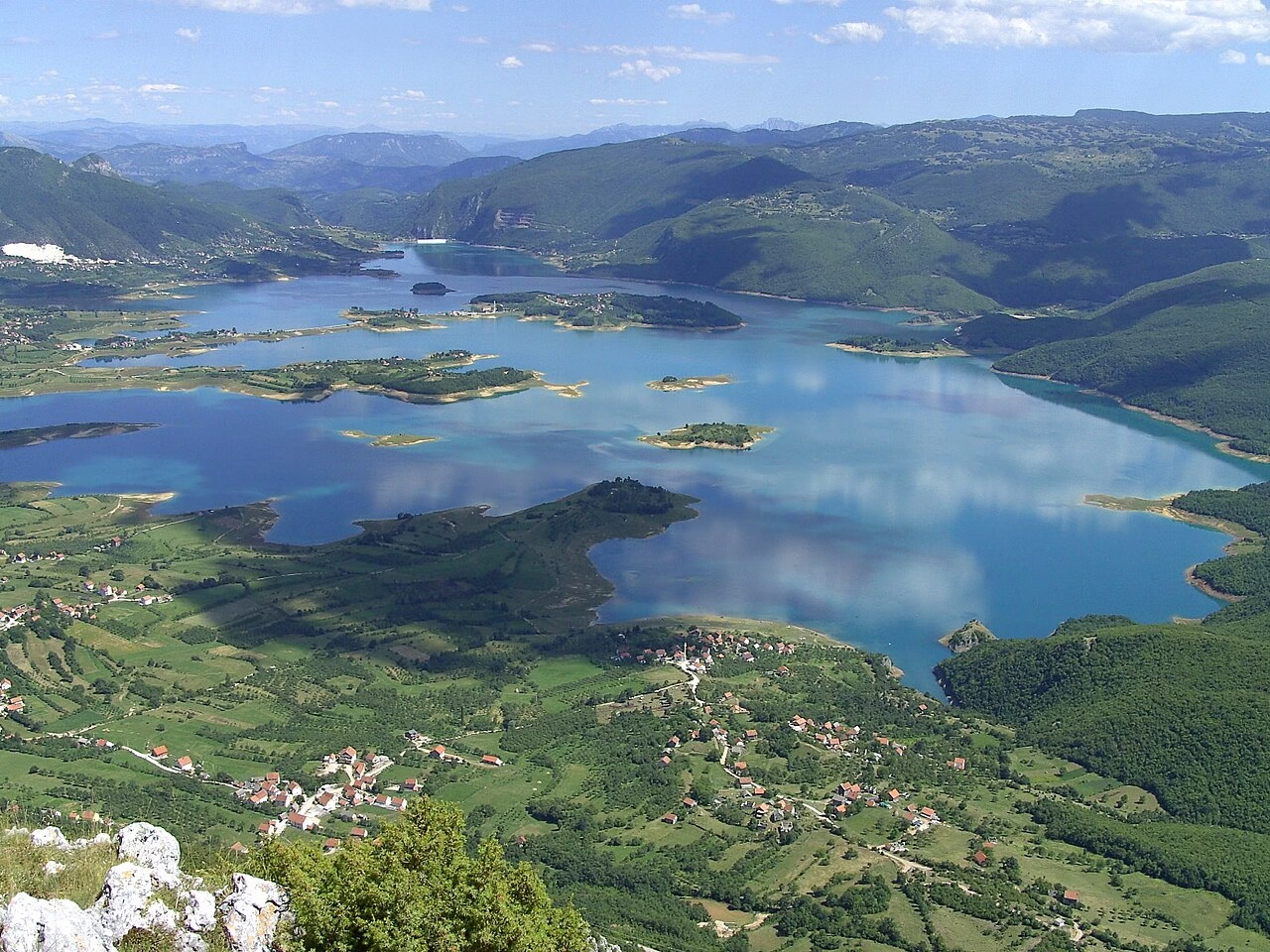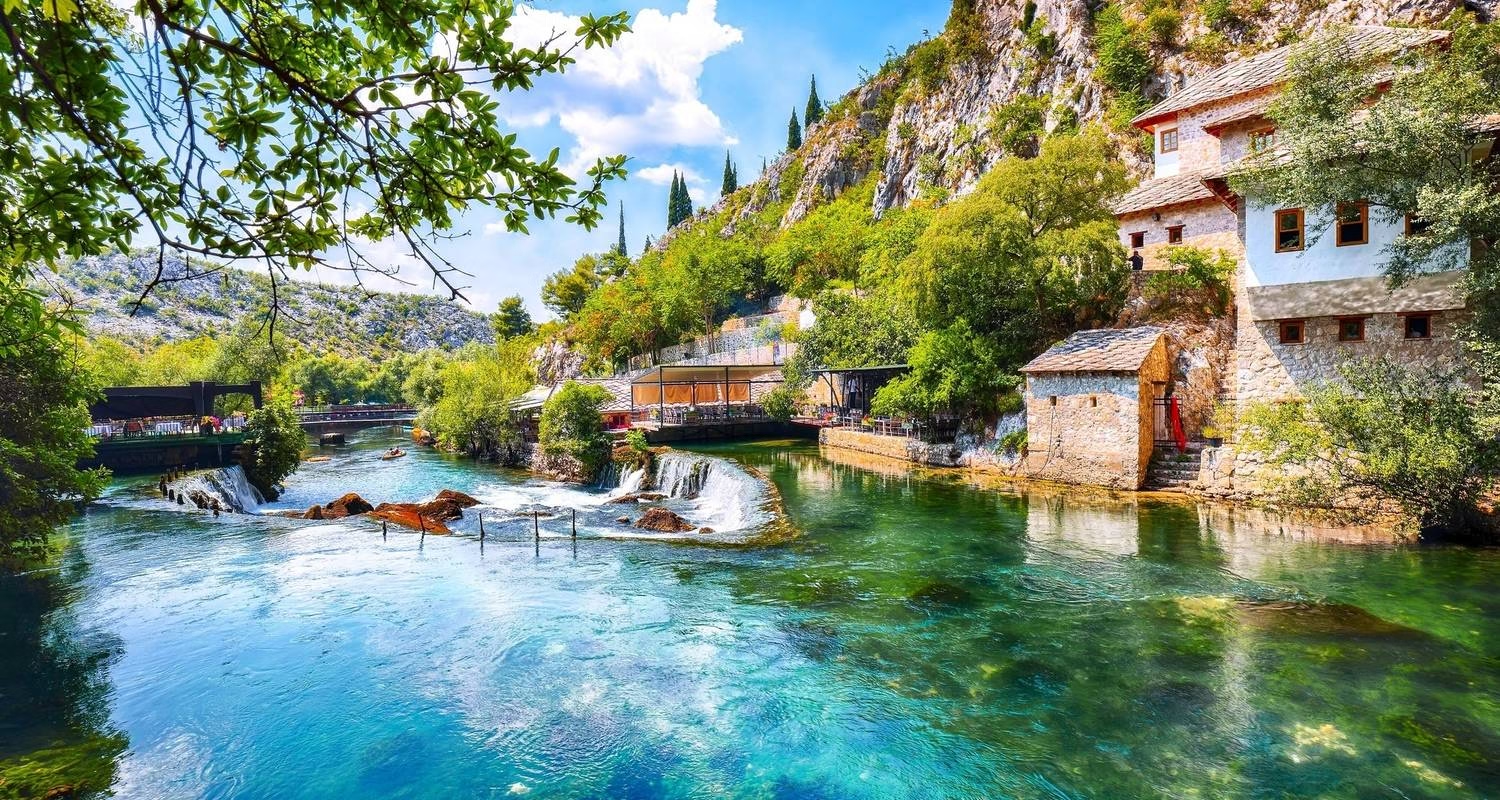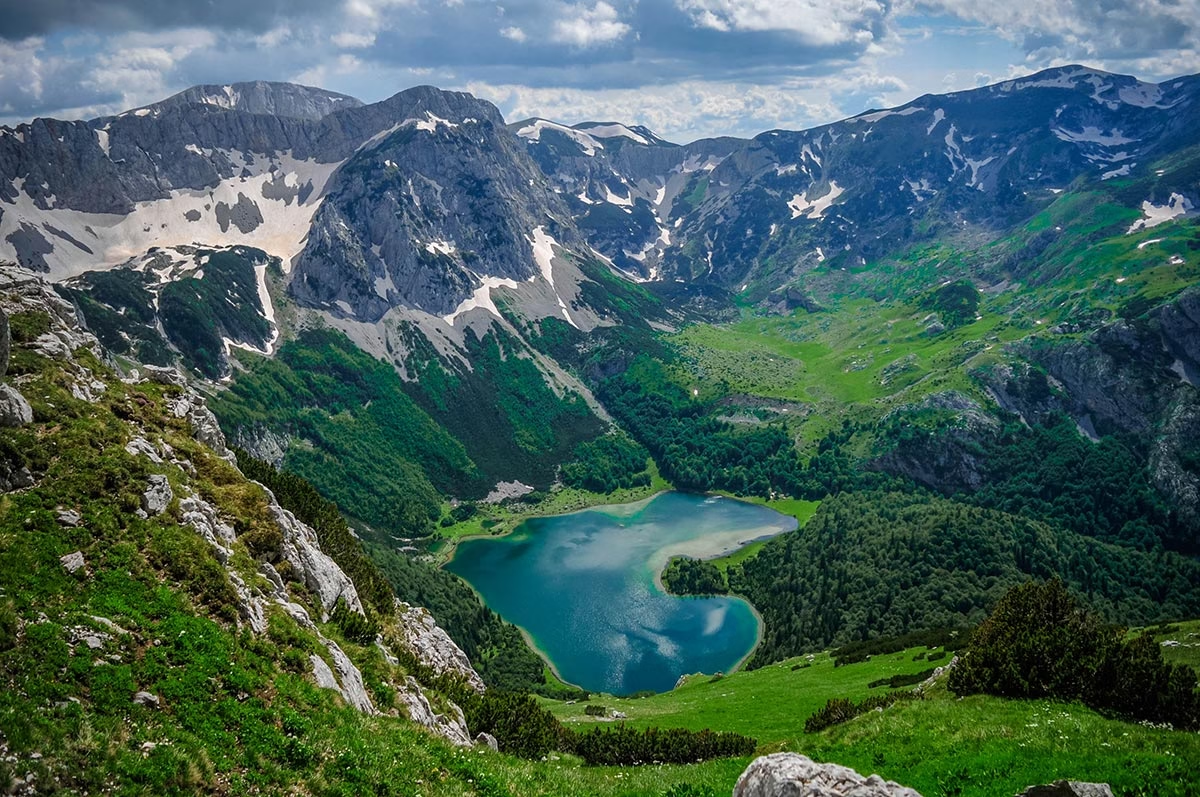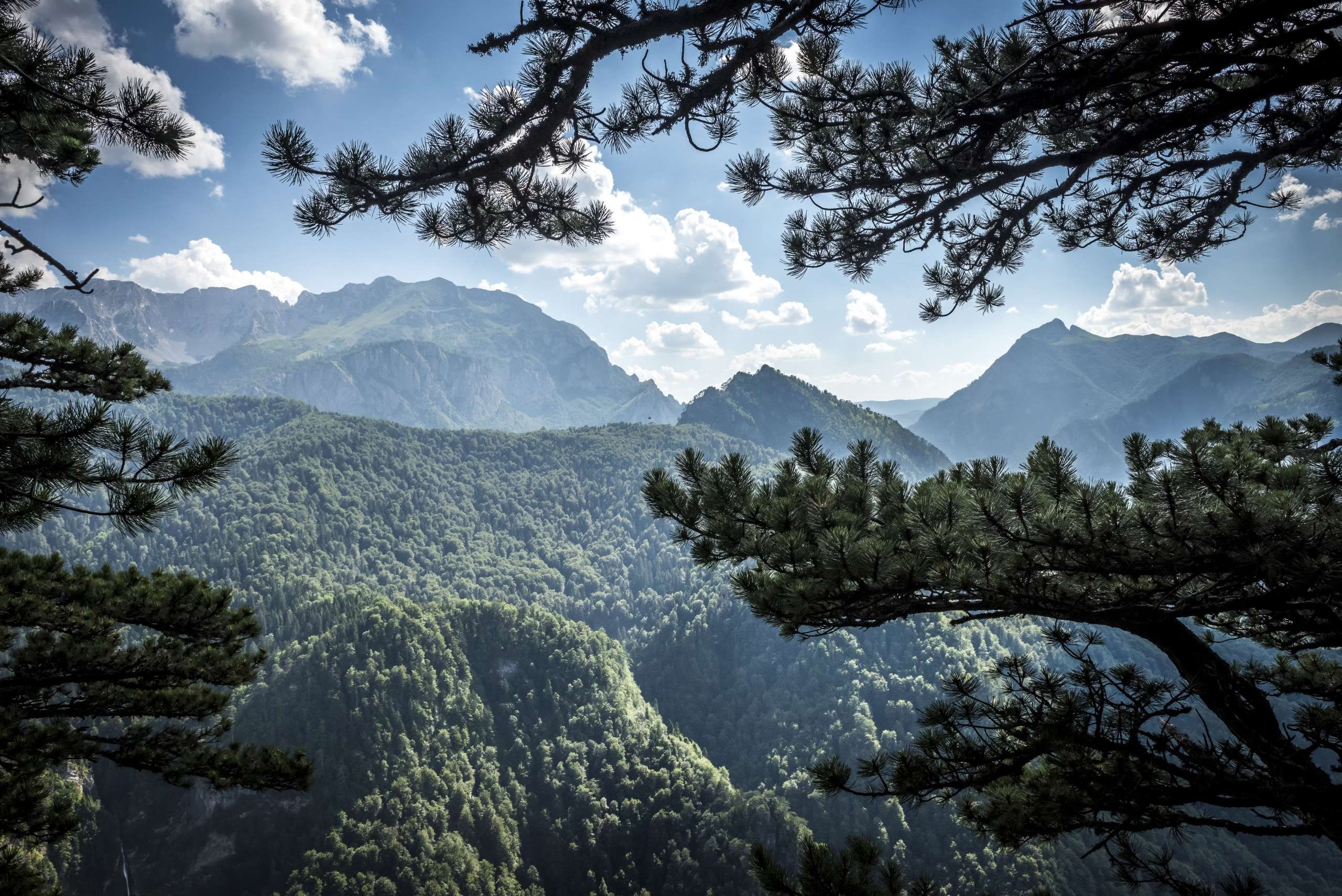
Located in the heart of the Balkans, a region of Southern Europe Bosnia and Herzegovina borders with Serbia, Montenegro and Croatia with the narrow coast on the Adriatic Sea. The climate of the Bosnia, inland region of the country, is continental while Herzegovina is characterized by Mediterranean climate. The name Bosnia originates from the name river that springs up in the middle of Bosnian territory and flows in the Sava River at the northern bother of the country. According to etymologists, origin of the name is Proto-Indo-European with root „bos“, meaning running water. The name Herzegovina comes from the word „Herzog“, German word for „duke“ and is related to the title of Bosnian magnate, from 15th century.

The country has a rich and complex history that affected current cultural circumstances. The history of this area inhabitants’ dates back to Paleolithic with the permanent settlements established in Neolitic age. The ancestors of South Slavic’s, nowadays population, arrived in the period from 6th to 9th century. In the 12th century, the Banate of Bosnia was established and by the 14th century it had evolved into the Kingdom of Bosnia. In the mid-15th and to the late 19th century, Bosnia was annexed into the Ottoman Empire. At that time Islam has been spread in Bosnia. From the late 19th century until World War I, the country was annexed into the Austro-Hungarian monarchy. The assassination of Archduke Franz Ferdinand of Austria and his wife, Sophie, Duchess of Hohenberg, had a major contribution to the beginning of World War I. Between two world wars Bosnia and Herzegovina was part of the Kingdom of Yugoslavia and became a Socialist Federal Republic of Yugoslavia at the end of World War II. The proclamation of independence of Bosnia and Herzegovina was followed by the longest military occupation of Sarajevo and military battles in Bosnia and Herzegovina that were ended by Dayton Agreement in 1995 with country devided in two entities: Federation of Bosnia and Herzegovina and Republic of Srbska. Inhabitants of Bosnia and Herzegovina belong to either constitutive ethnic groups (Bosniaks, Serbs and Croats) or minorities (Jaws, Albanians, Montenegrins, Ukrainians, Turks). The capital and the largest city is Sarajevo. Economically, Bosnia and Herzegovina has been categorized as developing country being 73th out of 189 counties by the human development index.

Being in the middle of Europe, near some developing but also some developed countries we believe that Bosnia and Herzegovina, and Sarajevo are favourable spot for the 13th Congress of Toxicology in Developing Countries (CTDC13). By the preparation and organization of the CTDC13 we aim to attract attention on toxicological issues and solutions, and improve the awareness of both general and scientific public towards protection of the environment and leaving creatures.